Czech Republic: History and Culture
From the kings of Bohemia to the Velvet Revolution, a complete guide
Tareq Maanan
Founder and guide at ODISEA. I came to Prague more than 10 years ago and never left. Over 5,000 tours later, the city still surprises me. I write these articles for the same reason I guide: so that nobody leaves Prague with the brochure version.
March 9, 2026 · 8 min readThere is one fact about the Czech Republic that tends to surprise everyone: it is the country that consumes the most beer per capita in the world. Not Germany, not Ireland, not Belgium. The Czech Republic, year after year, with approximately 185 litres per person per year.
It is a small fact, but it says something important: this country is more than what appears in the photos of Prague. It is the place where the Pilsner was invented, where the word "robot" was born, where a playwright and politician called Václav Havel went from prison to the presidency without any stops in between. It is the country that survived the Habsburgs, the Nazis, forty years of communism and the peaceful dissolution of itself, without a single casualty.
This guide explains what the Czech Republic is, where it comes from and what makes it unique before you arrive in Prague.
What is the Czech Republic and where is it
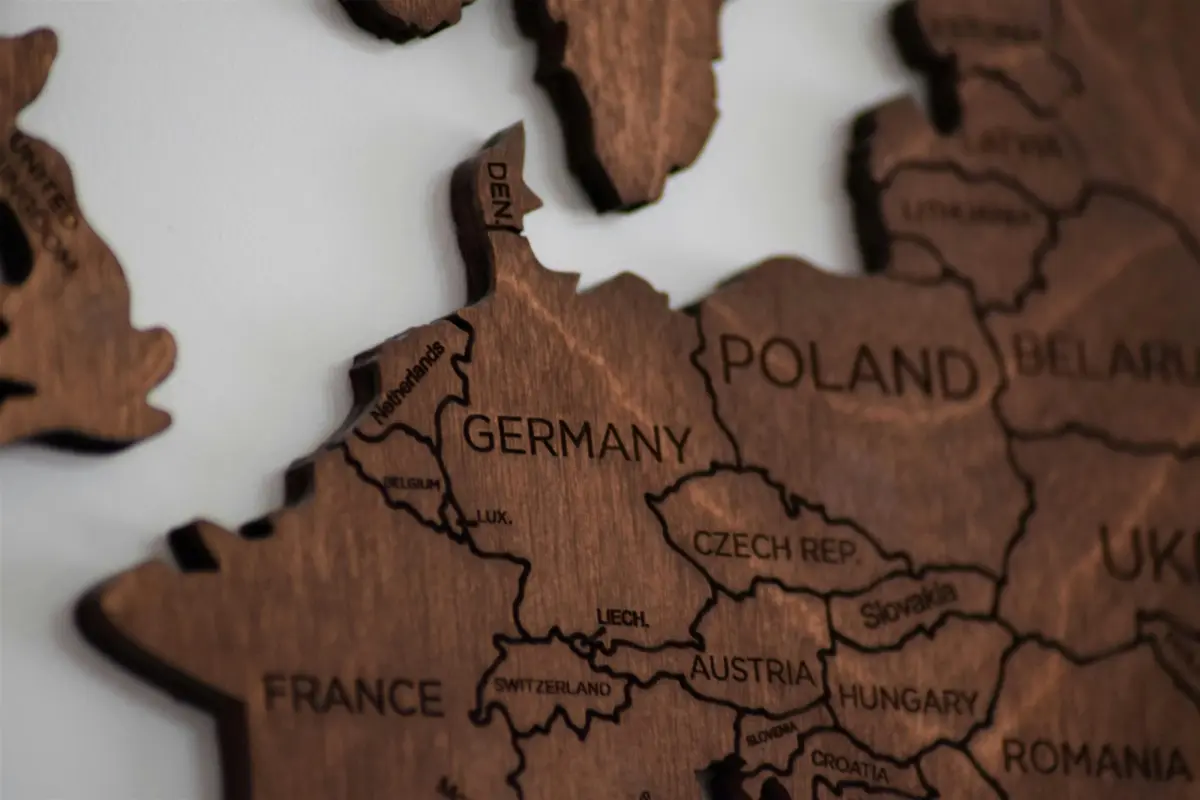
The Czech Republic, also known as Czechia since 2016, is a landlocked country in Central Europe. It borders Germany to the west and northwest, Poland to the north, Slovakia to the east and Austria to the south. Its capital is Prague.
The country is historically divided into three regions:
- Bohemia, the western region, where Prague is located. The most internationally well-known.
- Moravia, the eastern region, with Brno as its capital. More wine-producing, more tranquil.
- Silesia, a small strip to the northeast, historically shared with Poland and Germany.
With 10.8 million inhabitants and 78,866 km² (smaller than Portugal), the Czech Republic is a medium-sized country in the geographical heart of Europe. That central position, at the crossroads of the continent's great commercial and military routes, explains a large part of its history.
History: from the kings of Bohemia to the modern state
The Middle Ages: the Kingdom of Bohemia at its peak
The first Slavic settlements in Bohemia date from the 6th century. In the 9th century, Great Moravia unified the Slavic tribes of the region under a single power. In the 10th century, the Přemyslid dynasty established the Duchy of Bohemia, based at Prague Castle.
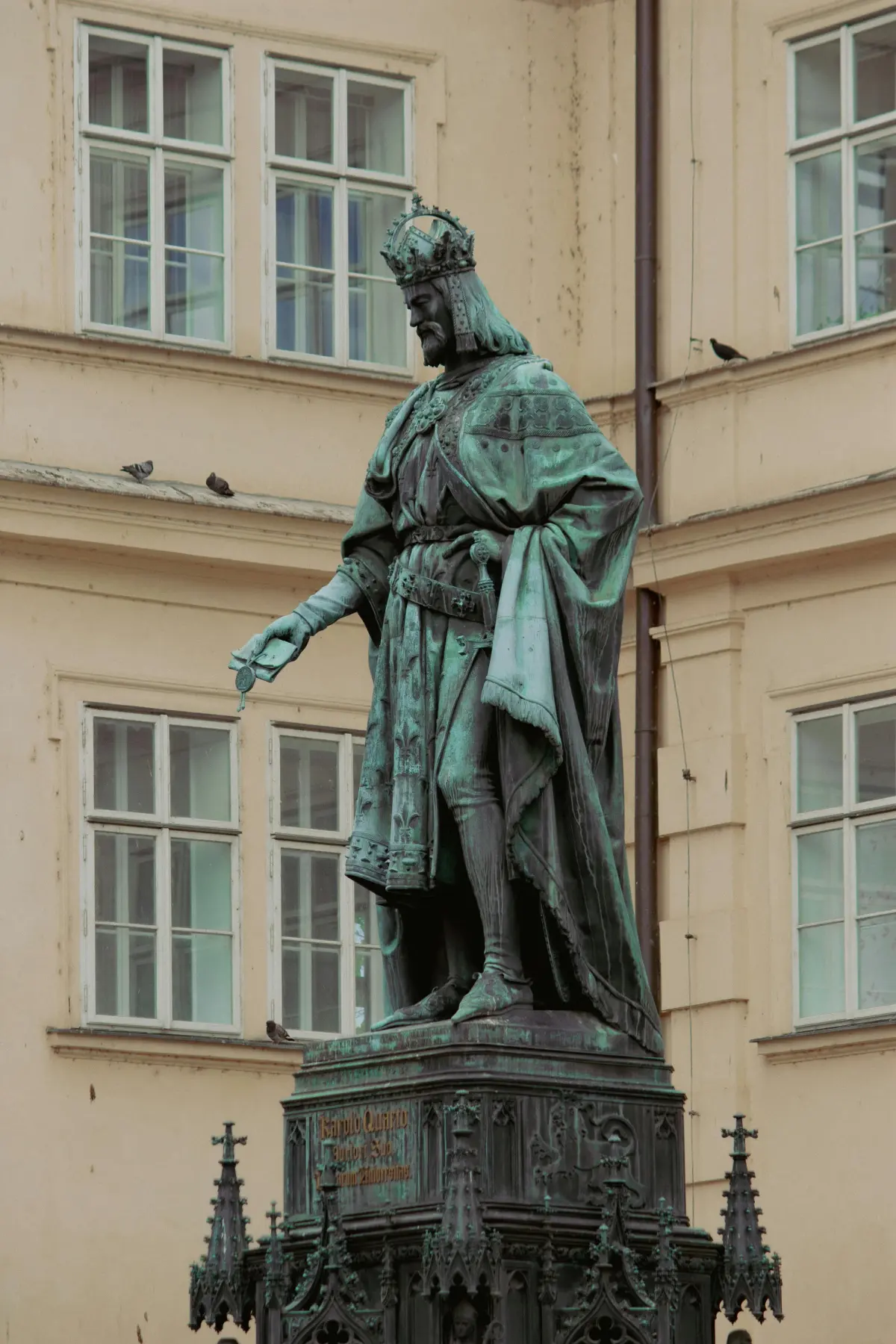
The moment of greatest medieval glory came in the 14th century under the reign of Charles IV (1316–1378), King of Bohemia and Emperor of the Holy Roman Empire. Charles turned Prague into one of the most important cities in Europe: he founded Charles University (1348, the oldest in Central Europe), built the Charles Bridge and St. Vitus Cathedral, and expanded Czech power to its maximum extent. The Charles Bridge bears his name. From the same era date the Prague Astronomical Clock (→ ES-14) and the fortress of Vyšehrad (→ ES-18), two of the city's most emblematic monuments.
The Habsburg period and the Battle of White Mountain
In 1526, the Habsburgs inherited the throne of Bohemia and held it for nearly 400 years. The relationship was tense from the start: Bohemia was mostly Protestant; the Habsburgs, Catholic and absolutist.
The rupture came in 1618 with the Defenestration of Prague, when Bohemian Protestant nobles threw three representatives of the Habsburg king out of a window at Prague Castle (all three survived by landing on a pile of manure). The episode triggered the Thirty Years' War, which ravaged Central Europe for three decades.
In 1620, the Battle of White Mountain ended Bohemian independence. The Protestant defeat inaugurated two centuries of forced Germanisation and Habsburg domination. Czech was marginalised as a language of culture; the Bohemian nobility was replaced by Austrian aristocrats. It was the beginning of what the Czechs call the period of "darkness".
The Czech national revival (19th century)
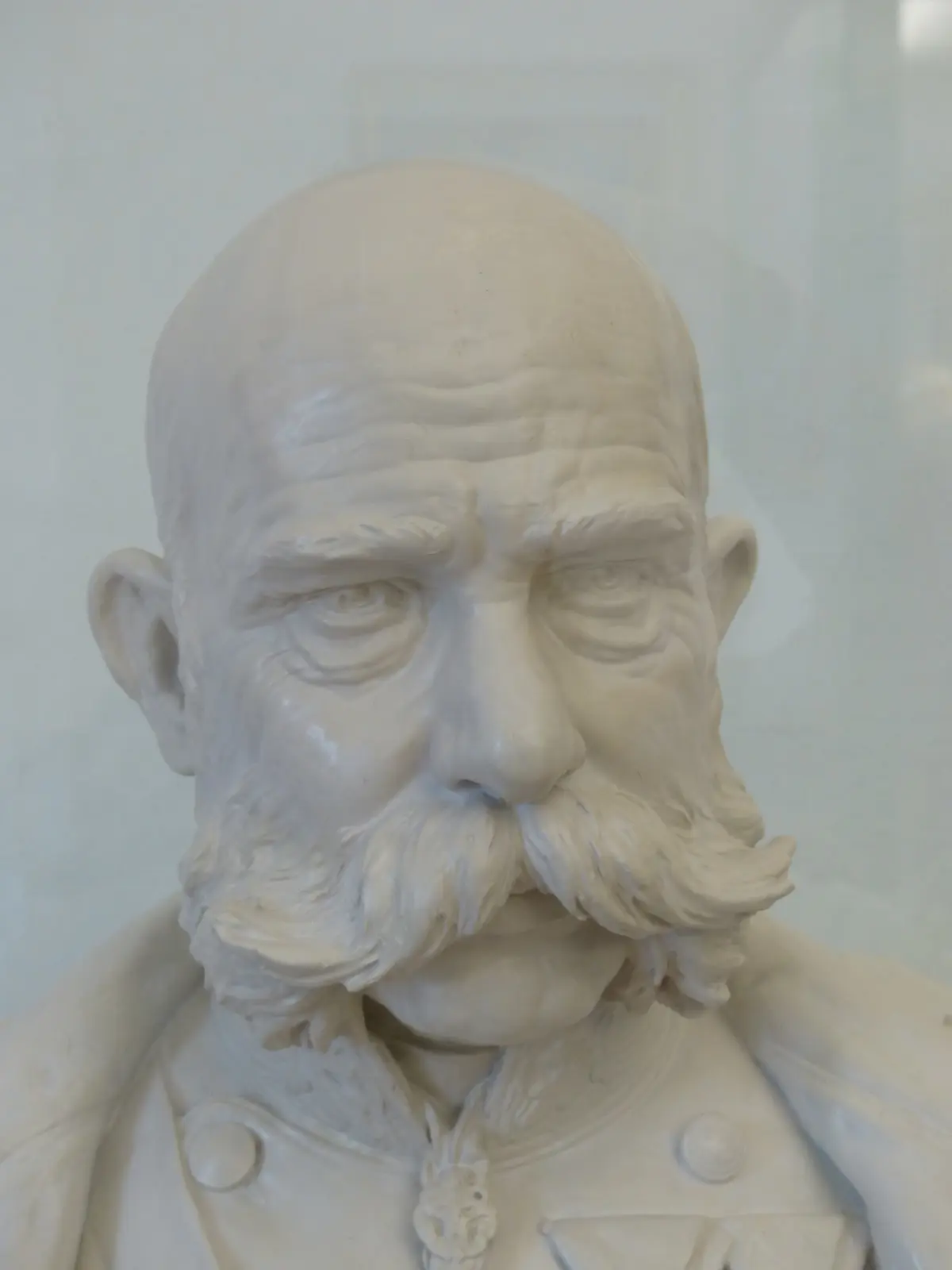
In the 19th century, while Europe was filled with national movements, Bohemia experienced its own National Revival. Linguists, writers and composers recovered Czech as a literary language and built a cultural identity distinct from the Austro-Hungarian Empire.
The names from this period are still present in Czech culture today: the historian František Palacký, the composer Bedřich Smetana (author of Má vlast, the symphonic cycle that describes the landscapes of Bohemia), and his successor Antonín Dvořák, whose New World Symphony was composed during his time in the United States.
The First Republic: 1918–1938
With the defeat of the Austro-Hungarian Empire in the First World War, Tomáš Garrigue Masaryk proclaimed the Republic of Czechoslovakia on 28 October 1918. It was one of the few moments in Czech history of genuine, unambiguous optimism.
The First Republic lasted only twenty years, but it was a period of real democracy, prosperity and culture. Czechoslovakia was then one of the ten most industrialised countries in the world. Franz Kafka was writing in Prague. Milan Kundera would be born years later in Brno.
The Nazi occupation: 1938–1945
In September 1938, the Munich Agreement, signed by the United Kingdom, France, Italy and Germany without Czech presence, ceded the Sudetenland (the border strip of Bohemia with a German-speaking majority) to Hitler. In March 1939, Germany occupied the rest of the country, turning Bohemia and Moravia into a Protectorate of the Reich. Slovakia became a puppet state.
The occupation lasted six years; the full history of Nazism and communism in Prague (→ ES-24) is documented in our dedicated article. The Jewish Quarter of Prague (→ ES-03) was emptied; the majority of the Czech Jewish community was deported. The transit camp at Terezín (→ ES-04), 60 kilometres from Prague, concentrated tens of thousands of people before their deportation to the east.
Communism: 1948–1989
In February 1948, the Communist Party seized power in a political coup backed by the Soviets. Czechoslovakia entered the orbit of the Eastern Bloc.
The best-known moment of the period was the Prague Spring of 1968 (→ ES-43): Alexander Dubček's reformist attempt to create "socialism with a human face". On 21 August 1968, Warsaw Pact troops — Soviet, Hungarian, Polish, Bulgarian and East German — invaded the country. Tanks entered Prague. The reform was crushed. In January 1969, the student Jan Palach set himself on fire in Wenceslas Square in protest.
The following twenty years were those of "normalisation": purges, censorship, resignation. Cultural life took refuge in the underground, in basements, in private flats.
The Velvet Revolution: 1989
On 17 November 1989, a student demonstration in Prague was brutally suppressed by the police. The news spread across the country. Within days, the protests became unstoppable.
By the end of December, the country had a new government. Václav Havel, playwright, dissident, political prisoner, was elected President of the Republic. The transition was completely peaceful. The Czechs called it the Velvet Revolution.
The separation and the modern Czech Republic
On 1 January 1993, Czechoslovakia peacefully divided into two states: the Czech Republic and Slovakia. The "Velvet Divorce" had no precedent in European history — no other country has dissolved so peacefully.
The Czech Republic joined NATO in 1999 and the European Union in 2004. It did not adopt the euro; it uses the Czech koruna (CZK), and remains a member of the Schengen Area.
Culture: what the Czech Republic has given the world
The word "robot". It was invented by the Czech writer Karel Čapek in his play R.U.R. (Rossum's Universal Robots), from 1920. The word comes from the Czech robota (forced labour). Without Čapek, the word robot would not exist in any language.
The Pilsner. The most widely drunk beer style in the world was invented in the Czech city of Plzeň in 1842. The Bavarian brewmaster Josef Groll created the first golden lager in history. The world shifted from dark beers to pale ones within a few decades.
Architectural cubism. Prague is the only city in the world with cubist-style buildings. While cubism was limited to painting and sculpture in the rest of Europe, in Prague houses, lampposts and benches were built in the cubist style between 1910 and 1925.
Franz Kafka. The most influential writer of the 20th century (for many) was born in Prague in 1883, wrote in German and spent almost his entire life in the city. The Metamorphosis, The Trial, The Castle. The adjective "Kafkaesque" exists in every language.
Václav Havel. Playwright of the absurd turned political dissident, turned prisoner, turned president. His personal trajectory is as extraordinary as his work.
The Karlovy Vary International Film Festival. One of the oldest film festivals in the world (1946), held every July in Karlovy Vary (→ ES-07). It has hosted Sophia Loren, Federico Fellini, Jean-Luc Godard.
The Czech language
Czech (čeština) is a Western Slavic language, a sibling of Slovak, a cousin of Polish and Russian. It is famous for being difficult for English speakers, mainly due to its pronunciation: it has sounds that do not exist in English (the ř, a fricative trill that does not exist in any other language in the world) and a grammar with seven cases.
The good news: in Prague, especially in the tourist centre, English is widely spoken. Nobody expects travellers to speak Czech. But knowing two or three words — díky (thanks), prosím (please), pivo (beer) — produces a disproportionately positive reaction among Czechs.
Practical information for travellers
Currency: Czech koruna (CZK). The euro is not the official currency and is not accepted everywhere. Schengen Area: Yes, there are no passport controls from other Schengen countries.
Time zone: CET (UTC+1 in winter, UTC+2 in summer), the same as most of Western Europe.
Electricity: 230V, European plug type F (standard European plug).
Safety: The Czech Republic is one of the safest countries in Europe. Prague has the usual problems of any tourist city (pickpockets in crowded areas) but nothing more.
Language of ODISEA guides: All ODISEA tours and excursions are conducted in Spanish.
Why Prague deserves more than one day
The capital is the main reason most travellers visit the Czech Republic. But the country has more to offer:
- Český Krumlov (→ ES-05), the most beautiful medieval town in the country, a UNESCO site, 3 hours from Prague.
- Kutná Hora (→ ES-06), the Sedlec Ossuary and St. Barbara's Cathedral, 1 hour from Prague.
- Terezín (→ ES-04), the Nazi transit camp, 60 km from Prague.
- Karlovy Vary (→ ES-07), the spa town of the European elite, 2 hours from Prague.
Frequently asked questions about the Czech Republic
What is the country officially called — Czech Republic or Czechia? Both are correct. "Czechia" is the official short name adopted in 2016. "Czech Republic" remains the formal name in official contexts.
Does the Czech Republic use the euro? No. The official currency is the Czech koruna (CZK). The approximate exchange rate is 1 EUR = 25 CZK (varies according to the market).
What language is spoken in the Czech Republic? The official language is Czech. In Prague, English is widely spoken in the tourism sector. German is also useful in areas of western Bohemia.
Is the Czech Republic safe for travellers? Yes. It is one of the safest countries in Europe, with very low crime rates. The usual problems in Prague are those typical of any tourist city: pickpockets in very crowded areas and occasionally inflated prices for travellers in restaurants in the centre.
Do I need a visa to enter the Czech Republic? EU and Schengen Area citizens do not need a visa. Citizens of countries outside the EU should check visa requirements; the Czech Republic is part of the Schengen Area, so a valid Schengen visa permits entry.
What is the best time to visit Prague? Prague works all year round. Spring (April–May) and autumn (September–October) are the months with the best weather and fewer crowds. Summer has the highest volume of travellers. Winter has the Christmas markets and a unique atmosphere.
What did the Czechs invent? Among the best-known Czech inventions and contributions: the word "robot" (Karel Čapek, 1920), the Pilsner beer style (Plzeň, 1842), architectural cubism, refined beetroot sugar, soft contact lenses (Otto Wichterle, 1961) and the postal franking ring.